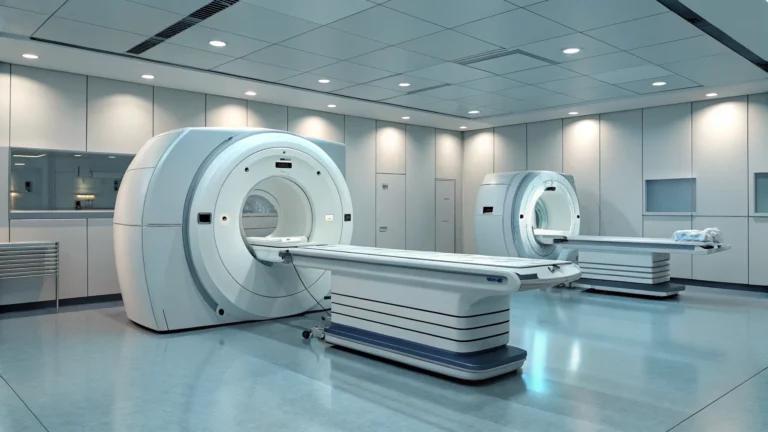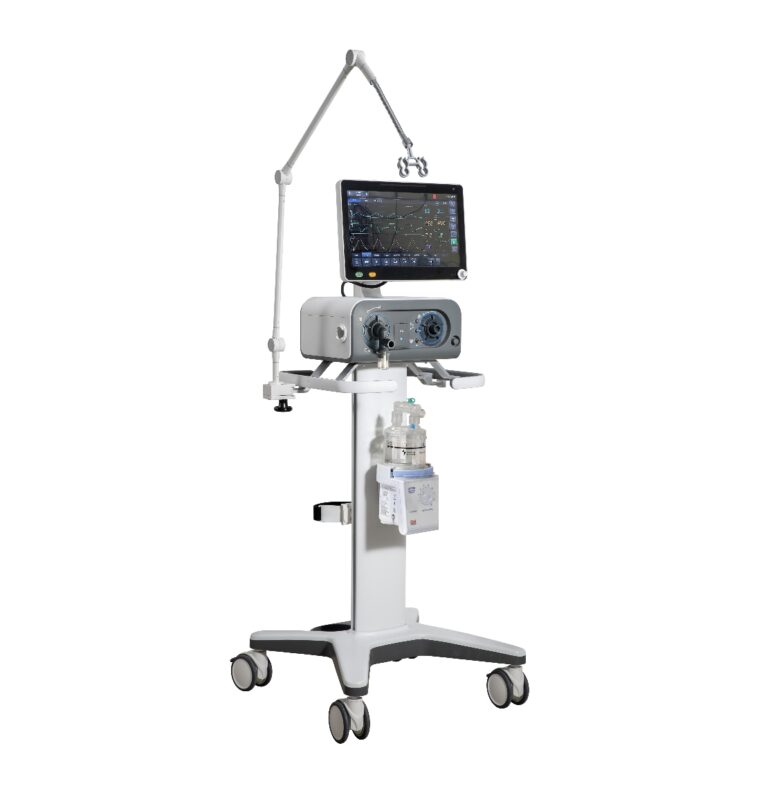


Medical imaging plays a vital role in modern healthcare, connecting technology with patient care in meaningful ways. Understanding ultrasound[^1] can help demystify this essential tool.
Ultrasound is a safe and effective imaging technique that uses sound waves to create pictures of organs and structures inside the body. This non-invasive method[^2] is commonly used for assessing various medical conditions.

Ultrasound is a fascinating technology. It’s not just about the images we see on a screen. It involves intricate processes and materials that come together to provide essential diagnostic capabilities[^3]. Let’s dive deeper into the world of ultrasound[^1].
What Is an Ultrasound?
Ultrasound uses high-frequency sound waves[^4] to create images of the inside of the body. This imaging technique is often employed in prenatal care, but its applications extend far beyond that. It helps visualize organs, tissues, and blood flow, allowing for comprehensive medical assessments.
An ultrasound[^1] machine consists of a transducer that sends and receives sound waves, producing images based on how these waves bounce off tissues. The images generated can help doctors diagnose various conditions and monitor ongoing treatments.

Medical professionals rely on ultrasound[^1] for its versatility and effectiveness. It is commonly used for examining the abdomen, heart, and pelvis. Additionally, ultrasound[^1] is valuable in guiding procedures such as biopsies and injections.
Why Do Doctors Order It?
Doctors may order an ultrasound[^1] for several reasons. One of the most common is to monitor the development of a fetus[^5] during pregnancy. However, ultrasound[^1]s are also used to diagnose conditions like gallstones[^6], kidney stones, and tumors.
Ultrasound can provide critical information about the size, shape, and condition of organs, greatly aiding in diagnosis and treatment planning. It offers a non-invasive way to collect important data without exposing patients to harmful radiation.

Doctors order ultrasound[^1] when they suspect abnormalities or need to monitor conditions over time. It’s a tool that’s both effective and safe, providing valuable insights into a patient's health.
Is It Safe?
Safety is a significant concern for many patients undergoing medical procedures. Fortunately, ultrasound[^1] is considered one of the safest imaging techniques available. It doesn’t use ionizing radiation[^7] like X-rays or CT scans, making it a preferred choice for prenatal imaging.
Research shows that there are no known harmful effects from ultrasound[^1] when used properly. The sound waves used are similar to those used in hearing tests, ensuring that the procedure is safe for both patients and healthcare providers.

While ultrasound[^1] is generally safe, it’s important to ensure that a qualified healthcare professional[^8] performs the procedure. Following proper protocols minimizes any risks associated with its use.
How to Prepare
Preparation for an ultrasound[^1] can vary depending on the type of exam. Generally, patients may be instructed to drink water before the test or fast for a few hours. For abdominal ultrasound[^1]s, a full bladder can help provide clearer images.
Patients should follow any specific instructions[^9] given by their doctor or ultrasound[^1] technician to ensure the test's effectiveness. Proper preparation can lead to more accurate results and a smoother experience.

It's crucial to communicate with your healthcare provider about any concerns or questions before the ultrasound[^1]. This dialogue ensures you understand what to expect and how to prepare effectively.
What Happens During the Test?
During an ultrasound[^1], the patient typically lies on an exam table. A technician applies a gel to the area being examined. This gel helps the transducer make better contact with the skin and improves the quality of the images.
The technician moves the transducer over the area while the sound waves create images. Patients may be asked to hold their breath or change positions to get the best views of the structures being examined.

The procedure usually lasts between 30 minutes to an hour, depending on the area being scanned. After the images are captured, the technician cleans off the gel, and the patient can usually resume normal activities.
Understanding Your Results
Once the ultrasound[^1] is complete, the images are analyzed by a radiologist[^10] or the doctor who ordered the test. They will look for any abnormalities or areas of concern. The results are typically shared with the patient during a follow-up appointment.
Patients may receive a report containing detailed descriptions of the findings. It’s essential to discuss these results with your healthcare provider to understand what they mean for your health and any potential next steps.

Understanding ultrasound[^1] results can feel overwhelming, but your doctor is there to help. Ask questions and clarify any uncertainties to gain a better understanding of your health status.
FAQs
What should I wear for an ultrasound[^1]? Wear loose, comfortable clothing that can be easily adjusted for the procedure.
How long does an ultrasound[^1] take? Most ultrasound[^1]s take between 30 minutes and an hour, depending on the complexity of the exam.
Can I eat before an ultrasound[^1]? It depends on the type of ultrasound[^1]. Always follow your doctor's instructions.
Are there any risks associated with ultrasound[^1]? Ultrasound is considered very safe, with no known harmful effects when done properly.
Why might I need a follow-up ultrasound[^11]d](https://my.clevelandclinic.org/health/diagnostics/4995-ultrasound)[^1]? Follow-up ultrasound[^1]s may be necessary to monitor a condition or further evaluate a finding from the initial test.
Conclusion
Ultrasound is a safe and vital tool in modern medicine, providing essential images for diagnosis[^12] and treatment. Understanding its purpose can help you feel more confident about the process.
[^1]: Explore the benefits of ultrasound to understand its critical role in diagnostics and patient care. [^2]: Learn about non-invasive methods like ultrasound that enhance patient safety and comfort during medical assessments. [^3]: Uncover the extensive diagnostic capabilities of ultrasound that aid in effective treatment planning. [^4]: Discover how high-frequency sound waves create detailed images, revolutionizing medical diagnostics. [^5]: Find out how ultrasound plays a crucial role in monitoring fetal health and development. [^6]: Learn how ultrasound effectively diagnoses gallstones, providing essential information for treatment. [^7]: Understand the differences between ionizing radiation and ultrasound, emphasizing safety in imaging. [^8]: Explore the importance of qualified professionals in ensuring safe and accurate ultrasound procedures. [^9]: Get insights on the specific instructions for ultrasound preparation to ensure accurate results. [^10]: Learn about the critical role radiologists play in analyzing ultrasound images for accurate diagnosis. [^11]: Discover the reasons for follow-up ultrasounds and their importance in ongoing patient care. [^12]: Understand the types of essential images ultrasound provides, aiding in effective medical decision-making.