Are you confused about CT scans and MRIs? The choice isn't random. Making the right one is critical for an accurate diagnosis, saving time and money in the process.
A CT (Computed Tomography) scan[^1] uses special X-rays to create fast, cross-sectional images[^2], making it ideal for emergencies[^3], bone injuries[^4], and lung issues. An MRI (Magnetic Resonance Imaging)[^5] uses magnets and radio waves for highly detailed pictures of soft tissues[^6] like the brain, muscles, and joints.

It's a question I hear all the time from our partners, whether they are equipping a new hospital or upgrading their diagnostic wing. On the surface, both machines create images of the inside of the body, but that's where the similarities end. They work differently, excel in different areas, and serve very different clinical needs. To make the best decisions for your facility and patients, you need to understand the fundamental technology driving each scan. Let’s dive into what makes each one unique and when to use them.
What Exactly Are CT and MRI Scans?
These technical terms are used so often, but do you know how they actually work? Misunderstanding the core technology can lead to poor procurement decisions for your hospital or clinic.
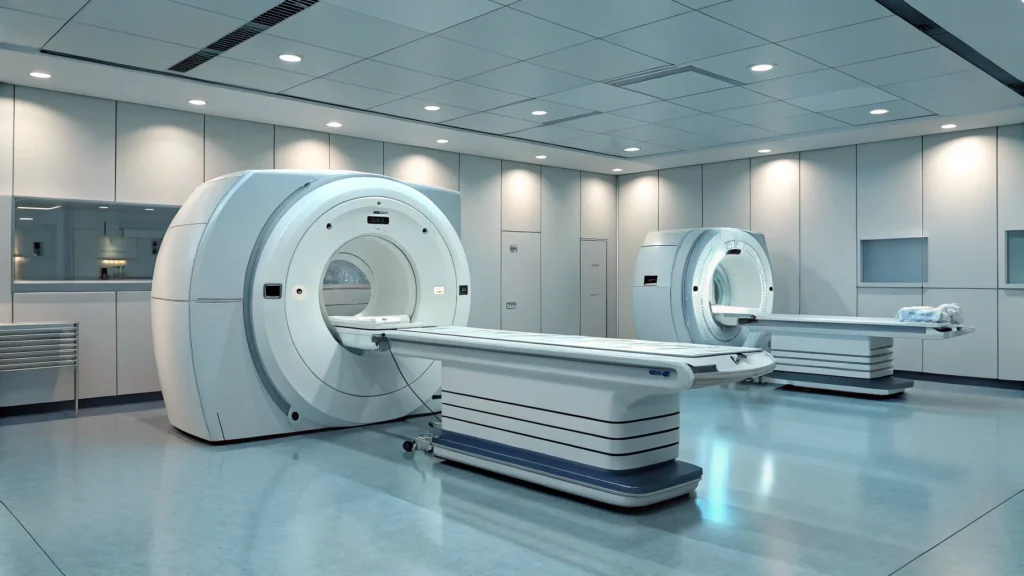
A CT (Computed Tomography) scan[^1] is essentially a powerful, 3D X-ray. It takes many X-ray images from different angles and uses a computer to create detailed, cross-sectional slices. An MRI (Magnetic Resonance Imaging)[^5] uses no radiation. Instead, it uses a strong magnetic field and radio waves.
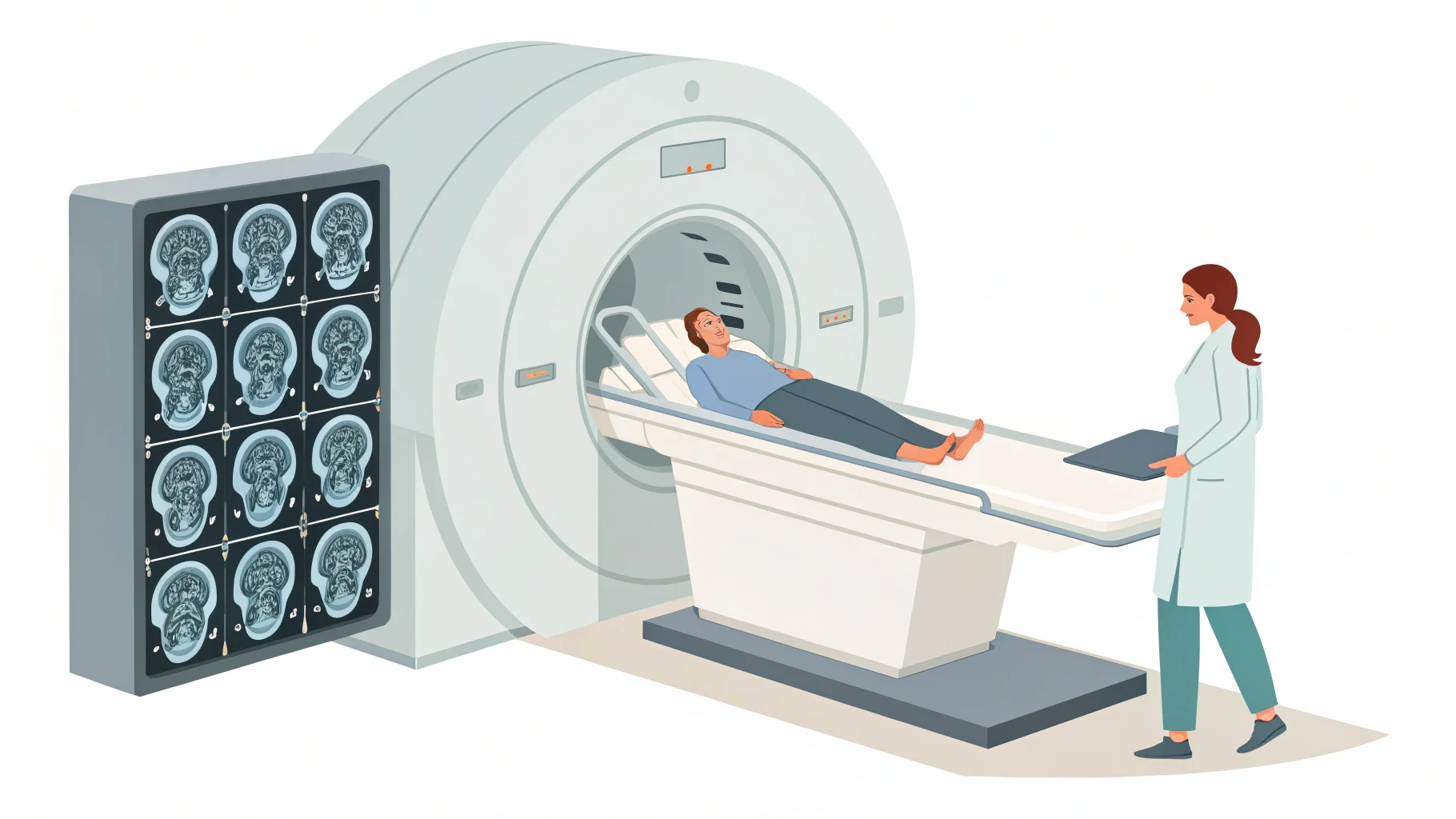
Let's go a bit deeper. Think of a CT scanner as a rotating X-ray machine that creates a 3D view. The machine spins around the patient, capturing "slices" that can be viewed individually or pieced together to see bone, organs, and blood vessels. Its greatest strength is speed. A scan can be done in seconds or minutes. When we at Suma Medical source CT scanners for our clients, we focus heavily on two things: the number of "slices" (more slices mean more detail and speed) and advanced software that reduces the radiation dose[^7] for patient safety[^8].
An MRI, on the other hand, is a completely different technology. It uses a powerful magnet to align the protons in the water molecules of your body. Then, it sends radio waves that temporarily knock them out of alignment. When the radio waves are turned off, the protons realign, releasing signals that a computer translates into incredibly detailed images. This process is amazing for seeing differences between healthy and unhealthy soft tissue. That's why for MRIs, we focus on magnet strength[^9] (measured in Tesla) and patient-comfort features, as the scans can take much longer.
Key Differences at a Glance?
Choosing between a CT and an MRI can feel complicated. Making the wrong equipment investment or ordering the wrong test can be a costly mistake for any healthcare facility.
The main differences are speed, cost, and what they show best. CT is fast, less expensive, and great for bones, lungs, and emergencies[^3]. MRI is slower and more expensive but provides superior, detailed images of soft tissues[^6] like brains, muscles, and ligaments.
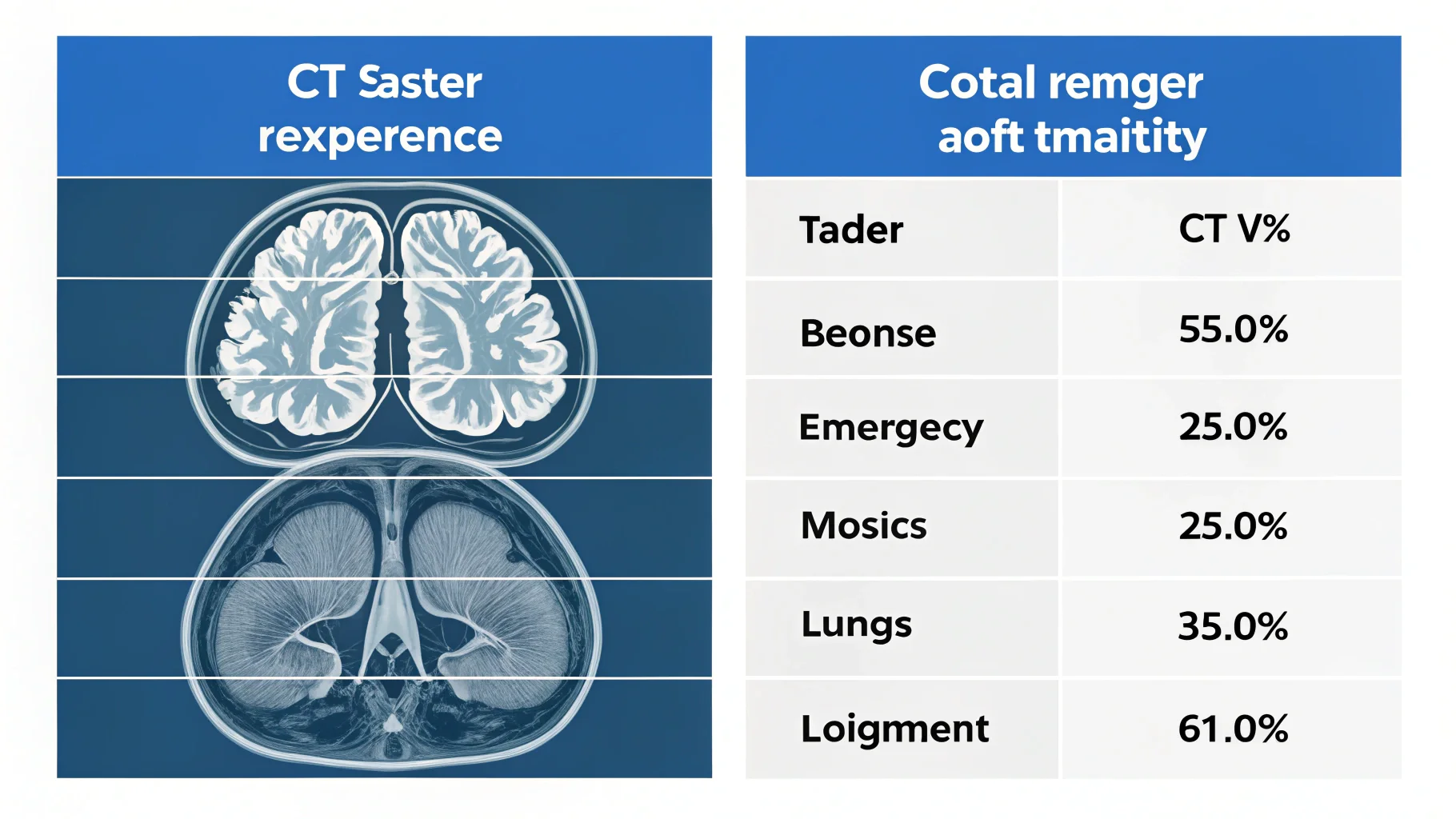
To make it even clearer, I've put the key differences into a simple table. I find that when I'm consulting with hospital owners, laying it out like this helps them see the practical trade-offs for their specific needs.
| Feature | CT (Computed Tomography) | MRI (Magnetic Resonance Imaging)[^5] |
|---|---|---|
| Technology | Ionizing Radiation (X-rays) | Magnetic Fields & Radio Waves |
| Speed | Very Fast (Seconds to minutes) | Slower (30 to 60+ minutes) |
| Best For | Bone fractures, lung issues, cancer detection, trauma, internal bleeding | Soft tissue (ligaments, tendons), brain tumors[^10], spinal cord issues, joint injuries |
| Radiation | Yes (low dose) | No |
| Cost | Lower acquisition & operational cost | Higher acquisition & operational cost |
| Patient Noise | Quiet | Very Loud (banging/knocking) |
| Restrictions | Contrast dye allergies, kidney function | Metal implants (pacemakers), claustrophobia |
I remember working with a new private hospital in Southeast Asia. Their budget was tight, and they were debating between a mid-range CT and a lower-strength MRI. We looked at their expected patient demographics. They projected a high volume of emergency and general cases. Based on that, we recommended the CT scanner. It allowed them to serve the widest range of immediate needs, from trauma to chest pain, making it the most practical and cost-effective first choice for their facility.
When Do Doctors Choose CT?
When is a CT scan the absolute best choice? Not knowing the answer can lead to bottlenecks in your emergency department and delays in critical diagnoses for your patients.
Doctors choose CT for its incredible speed and precision in urgent situations. It is the number one choice for trauma patients, suspected strokes (to rule out bleeding), lung problems like clots, and evaluating complex bone fractures. It's also a workhorse for oncology.

The decision to use a CT is almost always driven by urgency and the need to see specific structures clearly and quickly. Let's break down the most common scenarios.
1. Emergency and Trauma
In an emergency room, time is everything. A patient arriving after a car accident needs to be assessed for internal bleeding, organ damage, and fractures immediately. A full-body CT scan can be completed in just a few minutes, giving doctors a complete picture to make life-saving decisions. You simply cannot get this speed from an MRI.
2. Acute Stroke
When a patient shows signs of a stroke, the first question is whether it's caused by a clot (ischemic) or bleeding in the brain (hemorrhagic). A non-contrast CT of the head is the fastest way to spot bleeding. This is crucial because the treatments for these two stroke types are completely different.
3. Chest and Abdominal Issues
CT is excellent for imaging the lungs. It can quickly diagnose conditions like pneumonia, pulmonary embolism (a blood clot in the lungs), and lung cancer. It is also used to investigate acute abdominal pain, helping to identify problems like appendicitis, kidney stones, or bowel obstructions.
When we help government agencies write tenders for new regional trauma centers, a 64-slice or 128-slice CT scanner is always a non-negotiable requirement. Its ability to provide fast, reliable answers in high-stakes situations makes it the cornerstone of modern emergency medicine.
When Is MRI the Better Option?
Sometimes, you need to see more detail than a CT scan can provide. Relying only on a CT can mean missing subtle but critical problems hidden within soft tissues[^6].
An MRI is the better option when a doctor needs an exceptionally detailed view of soft tissues[^6]. This includes diagnosing brain tumors[^10], evaluating spinal cord injuries, seeing torn ligaments in a knee or shoulder, and examining organs like the liver or prostate.
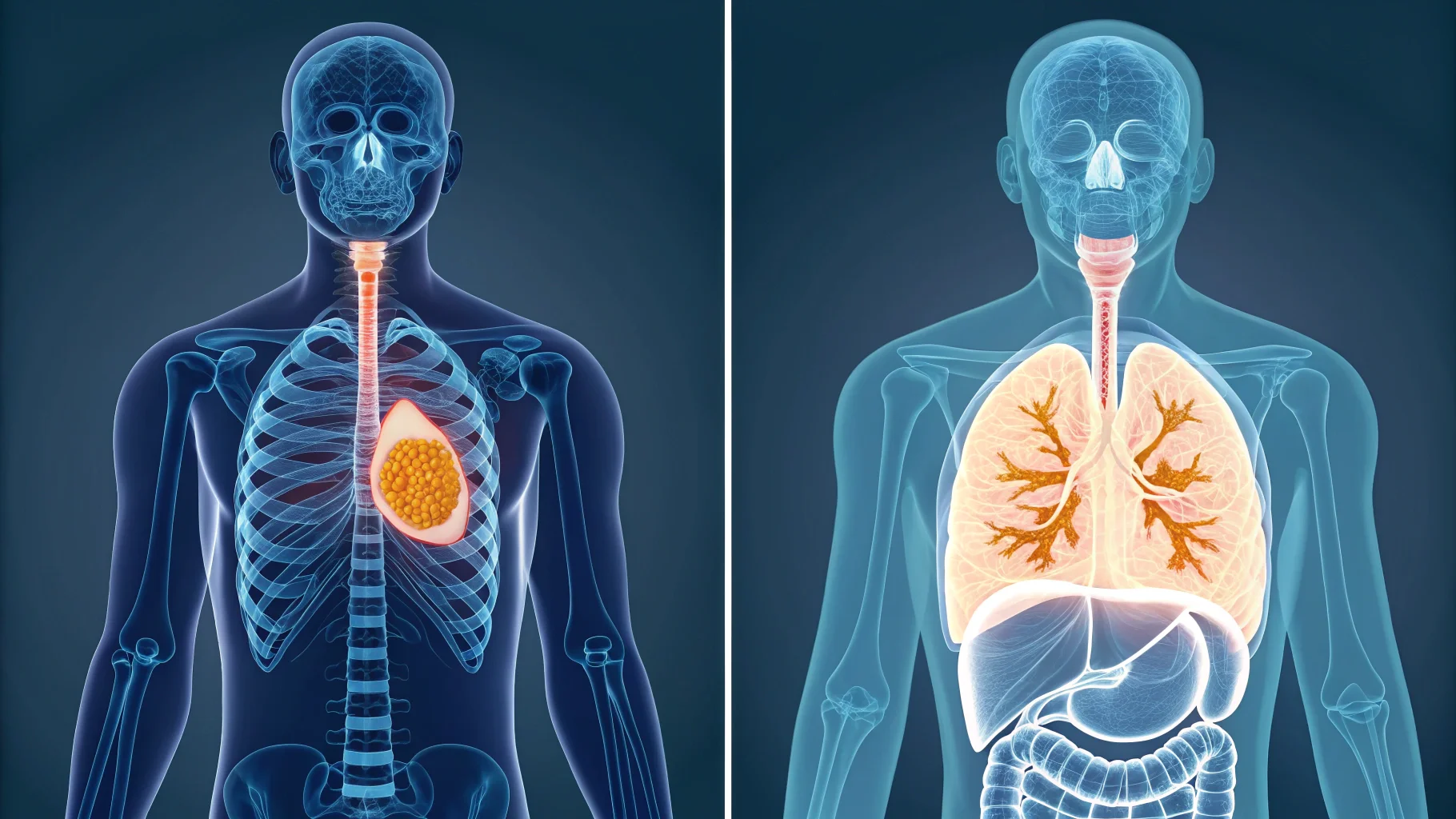
While a CT scan is the sprinter, an MRI is the marathon runner. It takes longer, but the level of detail it provides for soft tissues[^6] is unmatched. There is no radiation involved, which is another significant benefit. Here are the situations where an MRI is the gold standard.
1. Musculoskeletal Injuries
If a patient has a sports injury, like a suspected ACL tear in the knee or a rotator cuff tear in the shoulder, an MRI is the only test that can clearly visualize the ligaments, tendons, and cartilage. An X-ray or CT would show the bones perfectly, but they can't show these crucial soft tissue structures.
2. Brain and Spinal Cord
While CT is used for acute stroke checks, MRI is far superior for diagnosing most other brain and spinal conditions. It provides crystal-clear images to identify brain tumors[^10], multiple sclerosis (MS) lesions, herniated discs pressing on nerves, and spinal cord swelling or damage.
3. Detailed Cancer Evaluation
After a CT scan identifies a mass, an MRI is often used to get more information about it. For example, an MRI can help determine if a liver lesion is cancerous or benign, or precisely map the extent of a tumor before surgery.
I once consulted with a private orthopedic clinic that was deciding on a major equipment purchase. They invested in a 1.5T MRI machine. Six months later, the owner told me it was the best decision they ever made. They could now diagnose and plan treatments for joint injuries in-house, often on the same day. It dramatically improved their patient care and set them apart from their competitors.
Safety & Comfort: What to Expect?
Patients are often nervous about medical imaging tests. A stressful or uncomfortable experience can harm your hospital's reputation and may even lead to failed scans that need to be repeated.
CT scans use a small, controlled dose of radiation, are very fast, and happen in an open ring. MRIs use no radiation but are very noisy, take much longer, and occur inside a narrow tube, which can be difficult for some patients.
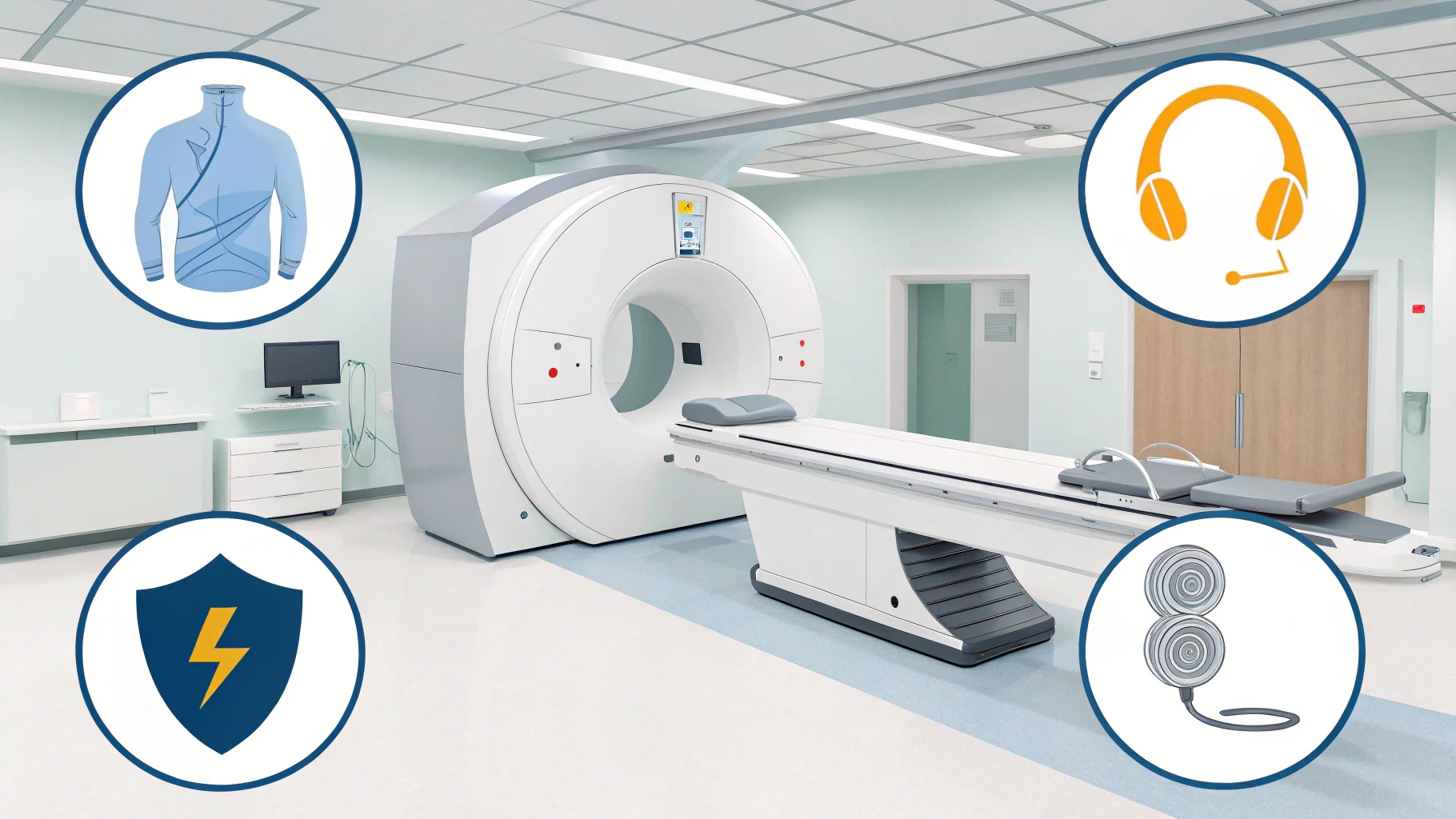
As a provider of this equipment, we know that patient experience[^11] is just as important as diagnostic quality. Here’s a breakdown of what patients can expect and what facilities should consider.
CT Safety and Comfort
The main safety consideration for a CT scan is the low dose of ionizing radiation. Modern scanners, especially the ones we source, are equipped with advanced dose-reduction technology. The radiation from a single scan is often comparable to the natural background radiation you're exposed to over a few years. The scan itself is quick and quiet. The machine is a large, open doughnut, so claustrophobia is rarely an issue. Some CT scans require a contrast dye[^12] (usually iodine-based), so it's important to screen patients for allergies or kidney problems.
MRI Safety and Comfort
The biggest safety advantage of an MRI is the complete lack of ionizing radiation. However, its powerful magnet is the main safety concern. Patients with certain metal implants, like pacemakers, defibrillators, or specific types of surgical clips, cannot have an MRI. This is why thorough screening is absolutely mandatory. The main comfort challenges are the confined space and the loud, banging noise. The noise is just the machine's magnets rapidly switching on and off. We are seeing a huge increase in demand for "wide-bore" MRI systems, which have a larger opening, and for systems that offer music or headphones to help patients relax. These features reduce anxiety and the number of aborted scans, which directly saves a facility time and money.
Cost and Access: The Hidden Factors?
The clinical need for a scan is only one part of the equation. The reality is that budget, infrastructure, and logistics often determine which machine a hospital can actually buy and support.
Generally, CT scanners are significantly less expensive to purchase, install, and maintain than MRI machines. This makes them more common and accessible, especially in smaller hospitals or clinics. MRIs have high upfront and operational costs[^13], limiting their availability.
This is a topic I discuss daily with our clients. The "best" machine on paper means nothing if you can't afford it or support it.
1. Purchase and Installation Costs
A new, high-quality CT scanner can cost a few hundred thousand dollars. A new 1.5T or 3T MRI system often costs well over a million dollars. Beyond the purchase price, an MRI requires a special room shielded with a Faraday cage to block external radio frequencies. This construction adds significant cost and complexity to the installation, whereas a CT room is much simpler to prepare.
2. Operational Costs and Supply Chain
MRIs are also more expensive to run. They consume a large amount of electricity, and their superconducting magnets must be kept extremely cold with liquid helium, which is a costly and sometimes scarce resource. CT scanners have lower electricity needs, though the X-ray tube needs to be replaced periodically, which is a major expense.
This is where my work gets really interesting. The global supply chain[^14] has a huge impact. A shortage of microchips can delay the production of a new CT scanner. A disruption in the helium supply can ground an MRI machine for weeks. I see it as our job to navigate these challenges for our clients. Sometimes, the right scan is simply the one that is available, reliable, and sustainable for your facility in the long run.
The Future of Medical Imaging (2025–2026)?
Medical technology is always advancing at an incredible pace. Sticking with outdated equipment means falling behind in diagnostic accuracy[^15], patient safety[^8], and operational efficiency for your facility.
The future is focused on integrating Artificial Intelligence (AI), developing faster scans, and using lower radiation dose[^7]s. AI will help radiologists find diseases earlier and more accurately. New techniques will drastically cut MRI scan times, and photon-counting CT[^16] will revolutionize image quality.
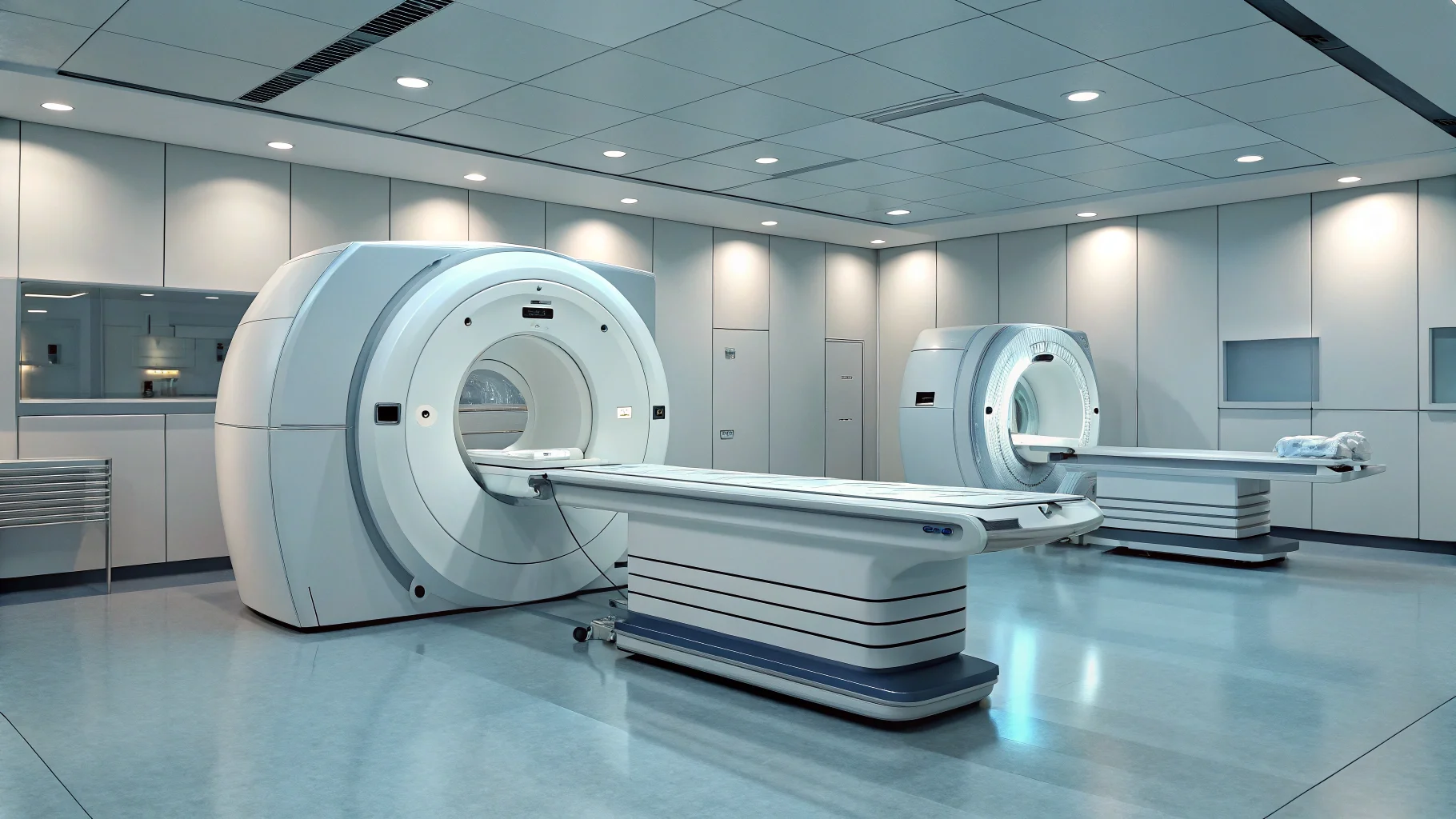
As someone who works with manufacturers on the front lines, I get an exciting preview of what's coming next. Here are the key trends we're preparing our partners for right now.
Artificial Intelligence (AI)
AI is the biggest game-changer. We are already seeing software that can analyze a scan and automatically flag suspicious areas for the radiologist to review. In the near future, AI will also help reconstruct clearer images from much faster scans or from CT scans done with ultra-low radiation dose[^7]s. This will boost efficiency and accuracy.
Photon-Counting CT
This is the next generation of CT technology. Instead of just measuring the total energy of X-rays, these detectors count individual photons and measure their energy levels. The result? Incredibly high-resolution images that can differentiate between different types of tissue much better than before, all at a lower radiation dose[^7].
Faster and Smarter MRI
The biggest complaint about MRI is the time it takes. Manufacturers are tackling this wi
[^1]: Understanding CT scans is crucial for making informed decisions about imaging technology in healthcare. [^2]: Learn how cross-sectional imaging enhances diagnostic accuracy in various medical conditions. [^3]: Discover the critical role of CT scans in emergency medicine and trauma care. [^4]: Find out how CT scans provide rapid diagnosis for various bone injuries. [^5]: Explore the unique benefits of MRI technology for detailed imaging of soft tissues. [^6]: Understand the advantages of MRI in visualizing soft tissues compared to other imaging methods. [^7]: Understanding radiation dose is essential for evaluating the safety of CT imaging. [^8]: Explore the safety protocols in place to protect patients during imaging procedures. [^9]: Learn why magnet strength is a key factor in the effectiveness of MRI scans. [^10]: Understand the importance of MRI in the early detection and evaluation of brain tumors. [^11]: Learn why enhancing patient experience is vital for successful imaging outcomes. [^12]: Discover the role of contrast dye in enhancing the clarity of CT images. [^13]: Understanding operational costs helps healthcare facilities budget for imaging technology. [^14]: Explore how global supply chain issues impact the procurement of medical imaging equipment. [^15]: Learn how these imaging technologies contribute to more accurate diagnoses. [^16]: Discover the revolutionary benefits of photon-counting CT technology in medical imaging.